
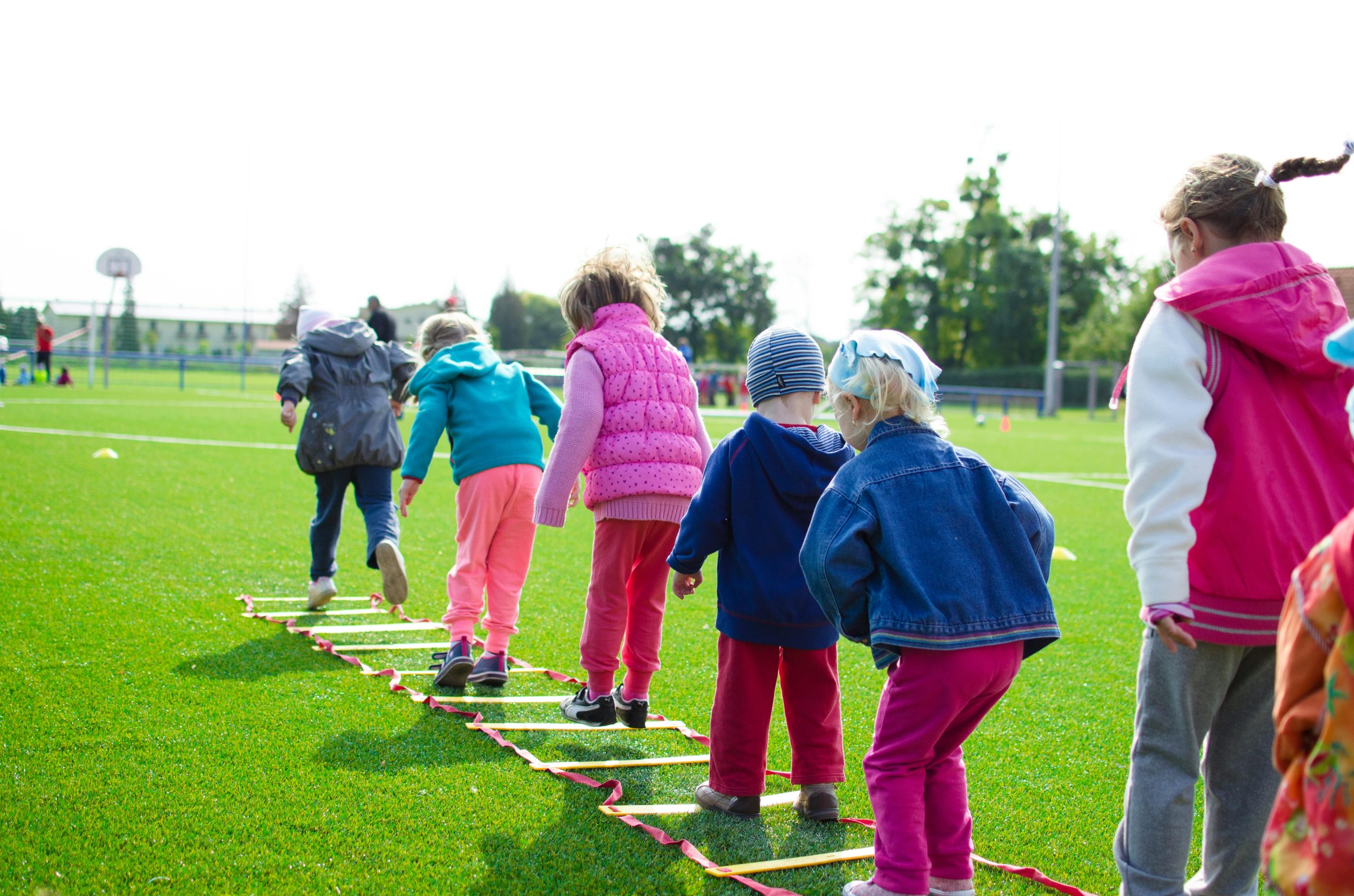
As you think about children growing up and developing, what do you picture for your kids and how they will learn? Many think about children learning in school or learning by instruction. While this can help and be one method, children also learn through play. This is especially true for younger children. Are you wondering why play is so important?
Play is a way that children learn and develop. When children are playing, they are more relaxed and it is easier for them to learn new concepts. While learning through play is not always direct instruction, it does provide a way for them to learn. As you play with them, you can talk about what you see. This can be pointing out the colors of objects or how many are present. This can help expose children to these concepts and help them to learn them. They can also learn informally with other toys and playing. As they play with blocks, they are learning size, proportions, and balance. As they play outside, they are exposed to nature and observing what happens in nature. While they may not be able to provide you with addition facts or physics, they are learning these ideas.
Children also need play so they can learn social skills. As children are playing with others, both adults and other children, they are having social interactions and practicing social skills. This is often easier with adults or older children as they will be able to adjust if needed to keep the interaction positive, but younger children are not always aware of this need. In play, this is often a relaxed time so practicing social skills and interactions can be easier. As they learn more positive social skills, this translates to continued positive social interactions in life which are always beneficial.
Children need time in the day that is more relaxed and that they genuinely enjoy. Children are growing and developing as they are getting older and this is often physically demanding. The body needs time to slow down and relax and play can help with this. Play is often carefree and children often find it relaxing. This also means allowing children to decide what they want to play and what toys they find exciting. If children are engaged in the decisions of what to play, then it what they wanted and often more enjoyable. Do you know what your child’s favorite toys and activities are? This does not mean that you cannot have adult-directed play as well so that they learn how to follow directions and there may be other skills learned.
Play is vital for children and their development. Allowing for imaginary play, self-directed play, and adult-directed play helps with development. Are you curious how you can help with play for your children? Feel free to reach out to me with questions.